
NAP
Share
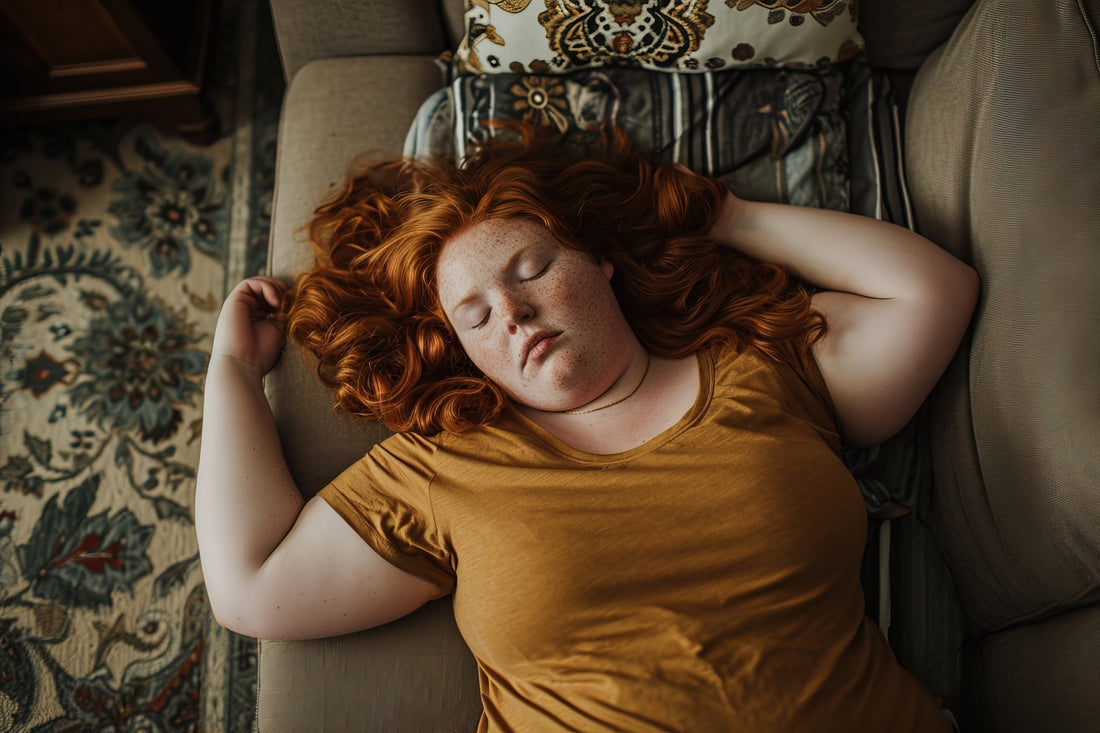
The siesta, something considered so Spanish, has been spreading around half the world and is being accepted as something healthy; the Anglo-Saxons and, above all, the Japanese have "copied" it from us. In English, they are known as power naps, precisely because of the energy they provide. They should last between 10 and 30 minutes, and in certain high-pressure business environments, they are recommended because they allow productivity to be extended for the rest of the day.
The physiological and psychological benefits of these short naps are explained by [Name], a specialist in sleep physiology and co-founder of The Sleep School: "From the moment we wake up, adenosine begins to increase, a chemical substance in the brain that is a byproduct of metabolism." Thus, the longer someone remains awake, the more adenosine accumulates in the brain, and therefore the feeling of sleepiness increases, regardless of whether there is physical effort or not in the daily activity. But with power naps (the classic Spanish catnap), "we reduce adenosine, we metabolize a bit of this substance in our system, and that helps us to increase our energy levels and feel more alert and awake."